




About this course
Busan is a port city known for milmyeon and dwaeji-gukbap — dishes born in the Korean War refugee years — and for seafood, symbolized by Jagalchi Market.
This 4-day food tour takes the KTX from Seoul and splits each day into a morning and an afternoon neighborhood, with only one ride between them — the old downtown (Choryang, Nampo, Jagalchi), Gamcheon and Yeongdo, then Haeundae and Gijang — tasting a Busan signature dish at every meal. You stay in Nampo for two nights and Haeundae for the last, walking back from the evening neighborhood.
Day 1: after the Ibagu-gil lookout, have Choryang milmyeon for lunch, take the subway to Nampo and walk Yongdusan Park, BIFF Square (seed hotteok), Gukje Market's food alley (bibim-dangmyeon) and Jagalchi Market, with raw fish for dinner and a walk to the Nampo hotel.
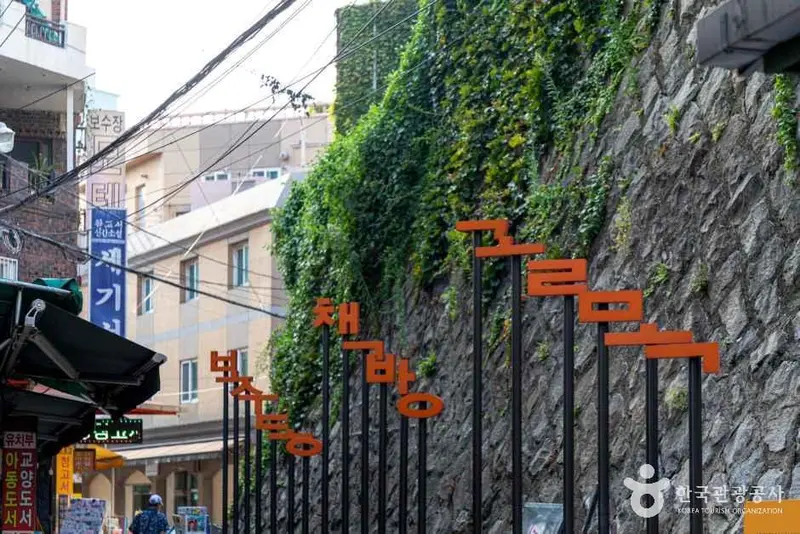
Day 2: walk to Sinchang Gukbap for breakfast, bus to Gamcheon Culture Village, bus again to Yeongdo's Huinnyeoul Culture Village, walk to Samjin Eomuk and across Yeongdo Bridge for wantang at 18beon Wandang, stroll Bosu-dong Book Street and Bupyeong Kkangtong Market, and have beef tripe at Jagalchi before walking back to the hotel.
Day 3: subway to Haeundae, walk the beach, ride Blueline Park from Mipo to Cheongsapo, walk up to Dalmaji Hill for daegu-tang lunch, walk down to Dongbaekseom and The Bay 101, and have grilled hagfish in Haeundae Market before walking to the hotel. You change hotels today — see the luggage note.
Day 4: walk to Geumsu Bokguk for a pufferfish-soup breakfast, bus to Haedong Yonggungsa, then head to Busan Station for dwaeji-gukbap lunch in front of the station and the KTX back to Seoul.
View on Map
Hour-by-Hour Itinerary
Create your free personalized Korea travel itinerary with TripGogoIncheon Airport → Seoul StationAirport Railroad (AREX)
Route on Google Maps →Book airport transfer →Flights on Trip.com →Compare on Skyscanner →Busan StationView on Map부산역
Choryang MilmyeonView on Map초량밀면
₩17,000 (US$12.2)A milmyeon specialist across from Busan Station. Milmyeon is said to have been created during the Korean War by refugees from the North who made naengmyeon with relief-supply wheat flour. The cold broth, made with medicinal herbs, is mild, and the spicy version adds a sweet-sour sauce with crushed peanuts (Korea Tourism Organization).
Busan's signature noodles made from wheat flour and starch, served in chilled broth or with spicy sauce.
Name It is said to have begun when refugees who came to Busan during the Korean War made cold noodles with widely available wheat flour instead of buckwheat.
How to eat Add vinegar and mustard; many places serve warm broth first.
Reference price naengmyeon · national average (Korea Consumer Agency) ₩10,845 (2026-08)
Eco-friendly Skyway Observatory (Ibagu-gil)View on Map친환경 스카이웨이 전망대(이바구길)
FreeA lookout at the end of Ibagu-gil in Choryang-dong, one of the best spots to look over Busan from the hillside road. Busan Harbor Bridge over the North Port, Yeongdo, Nampo-dong, Jagalchi and Yongdusan Park spread out in a panorama. Wooden decks and forest paths lead up to it — a great first view after arriving at Busan Station.
Learn more →Korea Tours & Tickets →Yongdusan ParkView on Map용두산공원
FreeA park on Yongdusan, one of Busan's three famous hills, named because its shape resembles a dragon's head. It has Busan Tower's observatory, a statue of Admiral Yi Sun-sin and a flower clock, and escalators run up from Nampo-dong. With views over Busan Port and Yeongdo, it's a good start for a walk around the old downtown.
Learn more →BIFF SquareView on MapBIFF 광장
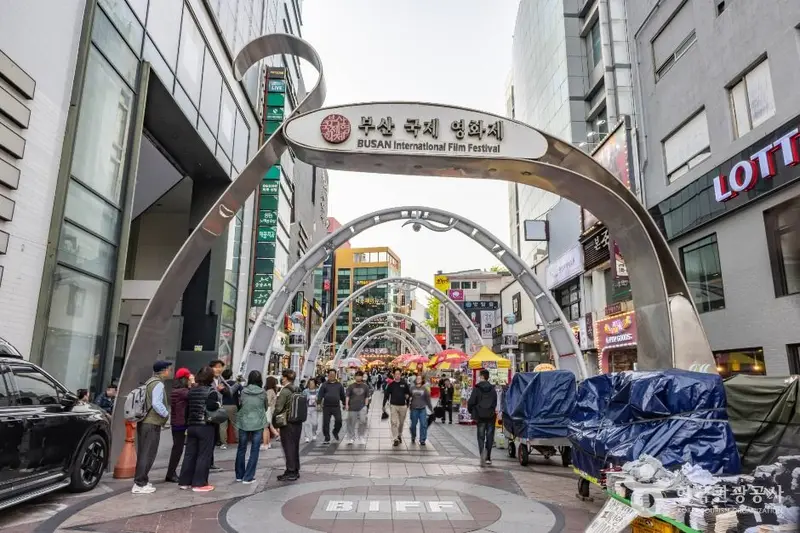
FreeNampo-dong's cinema street, where some 20 theaters clustered in the 1960s; it was named BIFF Square after the first Busan International Film Festival in 1996. Filmmakers' handprints remain in the pavement and movies still play here. Street stalls around the square sell seed hotteok — pancakes stuffed with nuts and seeds.
A Busan-style hotteok, fried in plenty of oil, then split open and stuffed with sunflower seeds, pumpkin seeds and other nuts.
How to eat Usually handed over in a paper cup; the sugar syrup inside is very hot.
Gukje Market Food StreetView on Map국제시장 먹자골목
FreeAn open-air food alley inside Gukje Market with more than 60 years of history. Sit on the stall benches and try chungmu gimbap, tteokbokki, noodle soup with sundae, and Busan's specialty bibim-dangmyeon (spicy glass-noodle salad). Afterwards, browse Gukje Market's clothing and goods shops.
A Gukje Market specialty: boiled glass noodles topped with fish cake, pickled radish, spinach and chives, mixed with a sweet-spicy sauce.
How to eat Sit at a stall and mix your own bowl; people often add tofu pouches or gimbap.
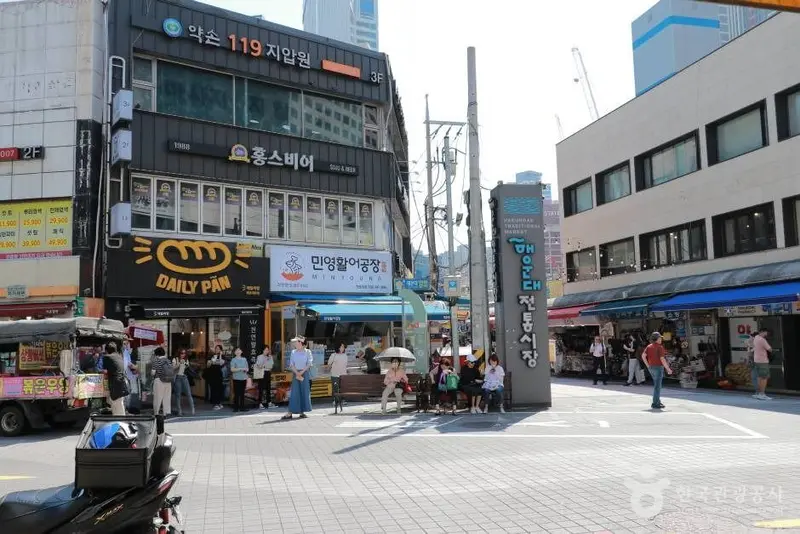
Jagalchi MarketView on MapTop 15부산 자갈치시장
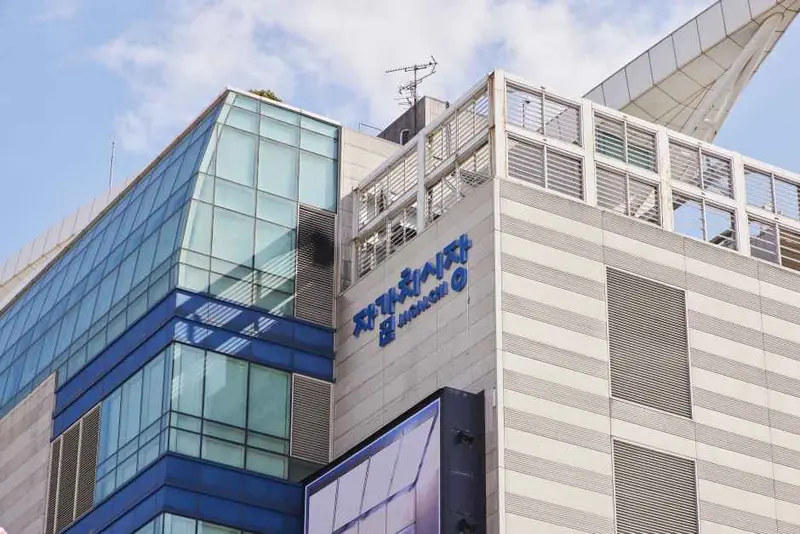
FreeBusan's signature fish market spanning Nampo-dong and Chungmu-dong; its name is said to come from the pebble (jagal) shore or a fish called jagalchi. Vendors sell mackerel and sea squirts along the road, and you can pick live fish on the market's 1st floor and eat it as sashimi upstairs. It's a quintessential Busan scene where the sea meets the market.
Learn more →Yeongdo-dari Hoe-jipView on Map영도다리횟집
₩113,000 (US$81.2)A raw-fish restaurant in Nampo-dong near Yeongdo Bridge. It's close to Jagalchi Market, so it's a good dinner stop for fresh Busan sashimi after walking the market.
Live fish sliced thin and eaten raw. In Busan many places serve a platter of the day's catch, such as flatfish, rockfish and flounder.
How to eat Dip in chogochujang or soy sauce with wasabi, wrap in lettuce or perilla leaves, and finish with maeuntang (spicy soup) made from the bones.
Hotel Aventree BusanView on Map호텔 아벤트리 부산
₩109,500 (US$78.7)4 min walk to Gukje Market Food Street · About ₩110k per night (standard level · check the real price on Agoda)
Book on AgodaBook on Booking.com →Hotel Aventree BusanView on Map호텔 아벤트리 부산
🍲 Breakfast pick: Sinchang Gukbap Bonjeom · 13 min on foot · about 40 min to eat (skip if your hotel serves breakfast)
A gukbap restaurant near Toseong Station, known for its clear broth with sundae and offal. The menu is simple — gukbap, soup-and-rice served separately, boiled-pork rice and suyuk — and you can order it your way, such as lean meat only or without offal (Korea Tourism Organization).
Rice and sliced pork in a milky broth simmered from pork bones and meat — Busan's signature dish.
Name One theory holds that it spread during the Korean War, when refugees in Busan cooked it from inexpensive pork by-products.
How to eat Season with salted shrimp, chive salad and chili paste; you can also order it with rice on the side (ttaro-gukbap).
Busan Gamcheon Culture VillageView on Map부산 감천문화마을
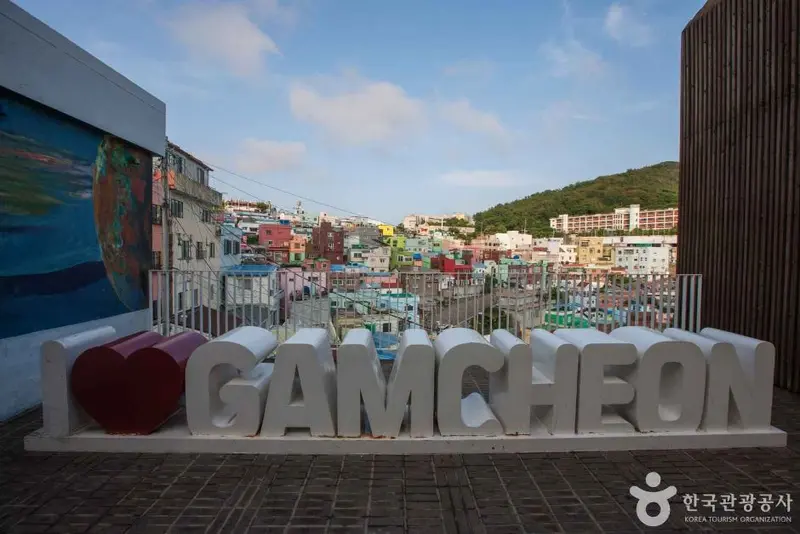
FreeA hillside village that began as a home for Korean War refugees in the 1950s, known for its terraced pastel houses and maze-like alleys. Urban-regeneration art projects turned it into a landmark drawing 1.85 million visitors a year, sometimes called 'the Machu Picchu of Korea'. It won the Presidential Award at the 2016 Korea Space Culture Awards.
Learn more →Korea Tours & Tickets →Hinyeoul Culture VillageView on MapTop 9흰여울문화마을
FreeA village named Huinnyeoul ('white rapids') because the streams from Bongnaesan in Yeongdo seemed to rush into the sea like falling snow. Refugees began their lives here, and since 2011 empty houses have been renovated into a community arts village. Its seaside alleys and coastal tunnel are known as filming locations for many dramas and films.
Learn more →Samjin Fish Cake Experience & History Science MuseumView on Map삼진어묵 체험·역사과학관
An experience and exhibition space in Yeongdo showcasing the history of Busan fish cakes (eomuk). Floors 1–2 host hands-on programs where you make fish-cake dishes with an instructor, and the 3rd floor is a history and science museum. You can eat what you make on the spot and buy all kinds of fish cakes in the shop.
Ground fish paste mixed with flour, shaped and fried or steamed. It is commonly sold on skewers simmered in broth.
How to eat At street stalls and snack shops, people usually eat it off the skewer and sip the broth from a paper cup.
18 Number Won-dang HouseView on Map18번완당집
₩24,000 (US$17.2)A wantang specialist in the alleys of BIFF Square. Wantang — tiny thin-skinned dumplings of meat and vegetables in clear broth — is a Busan local dish, often ordered with bamboo-mat noodles or wantang noodles. It is a walk from Samjin Eomuk across Yeongdo Bridge.
A Busan local dish of tiny thin-skinned dumplings of meat and vegetables simmered in clear anchovy-kelp broth.
How to eat Spoon them up with the broth; it also comes as wantang noodles.
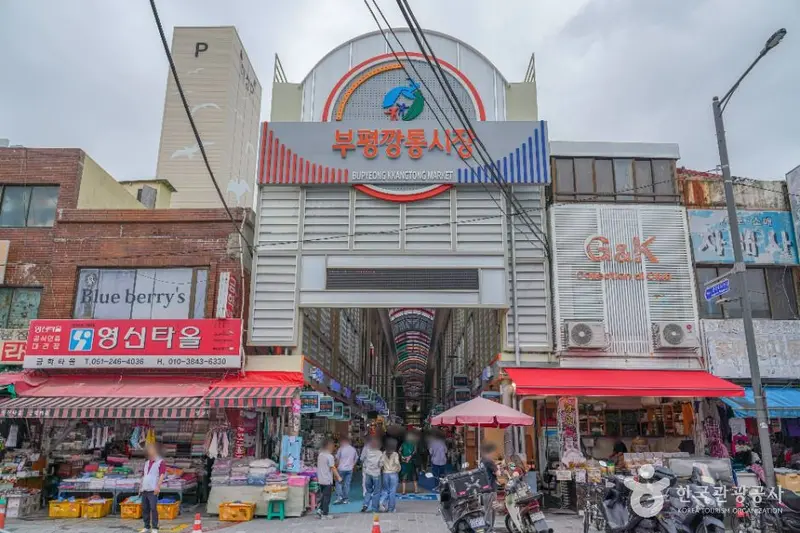
Bupyeong Ttangtong MarketView on Map부평깡통시장
FreeA market nicknamed 'Kkangtong (tin can) Market' because canned goods and other imports were widely traded here after the Korean War. Today it's full of imported foods, goods and food stalls, and it's known for its night market. Shops selling Busan-style yubu (stuffed tofu pouch) hot pot and fish cakes are famous.
Learn more →Busan Jagalchi Lamb Intestine AlleyView on Map부산 자갈치 양곱창 골목
₩24,000 (US$17.2)An alley in front of Jagalchi Station Exit 10 where beef-tripe (yang-gopchang) restaurants have gathered for decades. In a unique setup, several eateries share one space; tripe is grilled over briquettes with salt or sauce, and there is hot pot too. Opening hours differ by shop, so check ahead (Korea Tourism Organization).
Grilled beef rumen (yang) and small intestine (gopchang); in Jagalchi they are still grilled over briquettes.
Heads-up The chewy texture and aroma of offal divide opinion.
How to eat Eat it salt-grilled or with sauce, and many places add fried rice at the end.
Hotel Aventree BusanView on Map호텔 아벤트리 부산
₩109,500 (US$78.7)Book on AgodaBook on Booking.com →Hotel Aventree BusanView on Map호텔 아벤트리 부산
🧳 Day 3 luggage — you move from the Nampo hotel to Haeundae today. On arrival in Haeundae, drop your bags at the Haeundae hotel first and travel light, or use a luggage delivery service. Early check-in and bag storage differ by hotel — please confirm directly with your hotel.
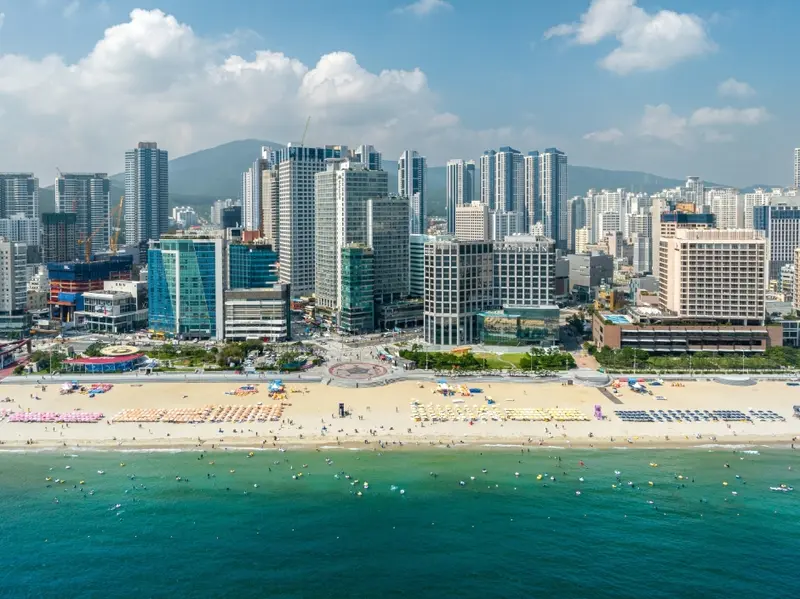
Haeundae BeachView on MapTop 4해운대해수욕장
FreeBusan's signature beach, with a wide sandy shore and shallow water. Buildings and hotels line the coast for a modern feel, and it draws visitors in every season, not just summer. Events include the full-moon festival, the Polar Bear Swim in winter and the sand festival.
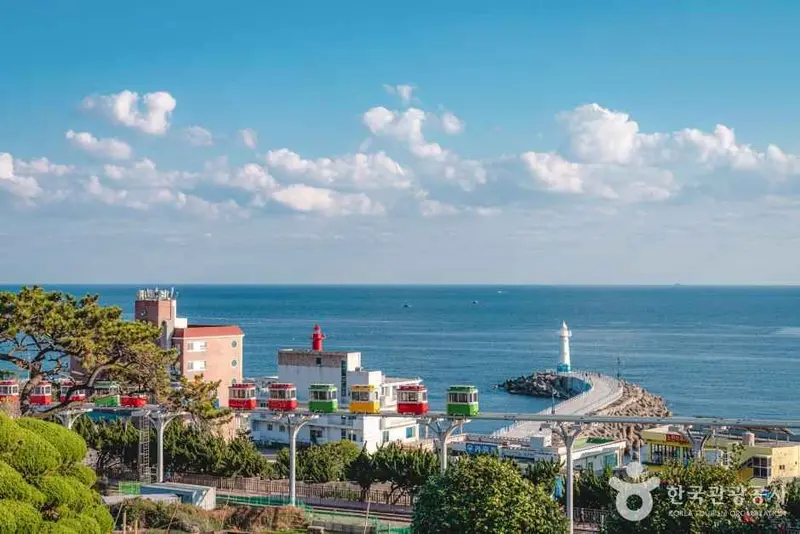
Learn more →Korea Tours & Tickets →Haeundae Blue Line ParkView on MapTop 19해운대 블루라인파크
₩16,000 (US$11.5)A tourist facility built on a 4.8 km stretch of the old Donghae Nambu Line railway from Mipo in Haeundae via Cheongsapo to Songjeong. Ride the seaside Beach Train or the 4-person Sky Capsule gliding along rails 7–10 m above the ground. A relaxed way to enjoy the Haeundae sea and Dalmaji Hill.
Learn more →Soksiwonhan Daegutang (cod soup)View on Map속시원한 대구탕
₩24,000 (US$17.2)A restaurant on Haeundae's Dalmaji Hill that has served only one dish, daegu-tang (cod soup), for years. The clear broth of cod and radish keeps locals and visitors coming back, and it's a walk from the Blueline Park stop at Cheongsapo. Many shops have similar names, so check the sign (Korea Tourism Organization).
A soup of cod with radish, bean sprouts and water dropwort, served as a clear broth or a spicy red stew.
Name "Daegu" here is the fish (cod), not the city of Daegu.
How to eat Some places give vinegar-soy sauce for the fish or add a little vinegar to the soup.
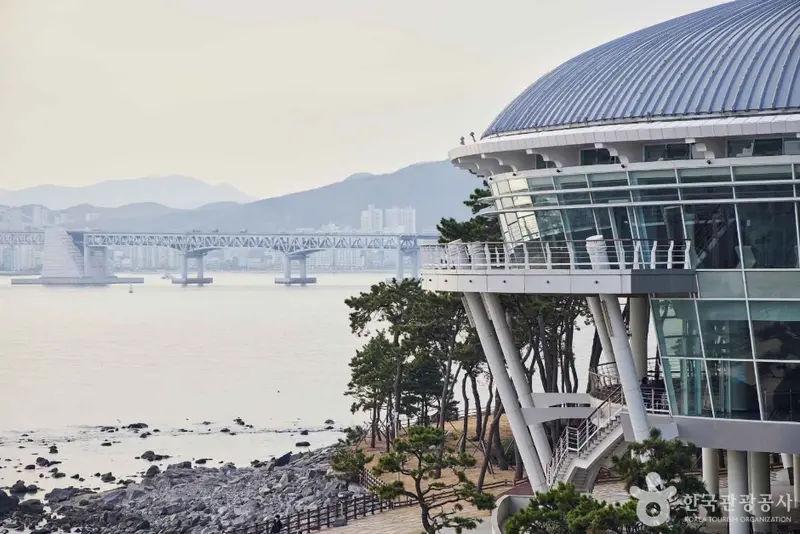
Haeundae Dongbaek IslandView on Map해운대 동백섬
FreeConnected to the mainland by long-term sedimentation but still called an island, with a walking path around it. It has scholar Choe Chi-won's 'Haeundae' rock inscription and statue, a mermaid statue and the Nurimaru APEC House, with views of Gwangan Bridge and the Oryukdo islets. Camellias bloom from winter to spring.
Learn more →The Bay 101View on Map더베이101
FreeA cultural complex at the entrance to Dongbaekseom, famous for its night view of Haeundae's skyscrapers. It houses sea-view cafés and restaurants, a goods shop and a gallery, and runs yacht tours. It's a well-known spot for photos of the Haeundae skyline.
Learn more →Haeundae MarketView on Map해운대시장
FreeA traditional market right next to Haeundae Beach, running since the 1910s and renovated in 2008. Lines form at shops selling tteokbokki, fried snacks, kalguksu, twisted doughnuts and dwaeji-gukbap, and there are many raw-fish and grilled-hagfish places. A good snack stop before or after a walk on the beach.
Learn more →Ilbeonji Jagalchi Live HagfishView on Map일번지자갈치산곰장어
₩60,000 (US$43.1)A hagfish restaurant inside Haeundae Market offering sauced, salt-grilled and whole-grilled hagfish, plus half-and-half. You can ask for a first grilling over briquettes, and adding fried rice or udon noodles after the sauced version is a known treat (Korea Tourism Organization).
Skinned hagfish grilled over briquettes or a hot plate, either salted or in a spicy sauce. Despite the name, it is not an eel.
Heads-up Its wriggling look and chewy texture make it a love-it-or-hate-it dish.
How to eat Many diners fry rice in the leftover sauce at the end.
Benikea Hotel HaeundaeView on Map베니키아호텔해운대
₩109,500 (US$78.7)9 min walk to SEA LIFE Busan Aquarium · About ₩110k per night (standard level · check the real price on Agoda)
Book on AgodaBook on Booking.com →Benikea Hotel HaeundaeView on Map베니키아호텔해운대
🍲 Breakfast pick: Geumsupok Gukbap Haeundae Main · 3 min on foot · about 50 min to eat (skip if your hotel serves breakfast)
A pufferfish specialist opened in 1970, known to be selected by the Michelin Guide. You can choose the pufferfish type (silver, milbok, kkachibok, etc.) for your bokguk, and there are pufferfish-skin salad and fried pufferfish — a classic hangover breakfast (Korea Tourism Organization).
A clear soup of pufferfish with bean sprouts and water parsley, popular in Busan as a hangover cure.
How to eat Many add a little vinegar, and it's often paired with pufferfish-skin salad.
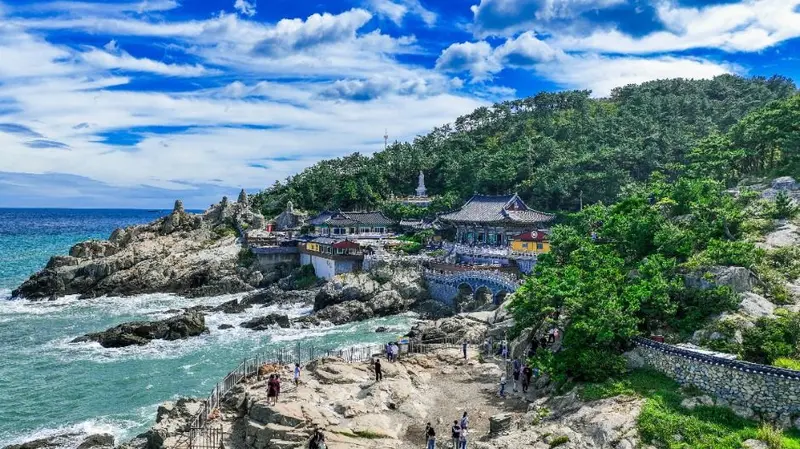
Haedong Yonggungsa TempleView on MapTop 1해동용궁사
FreeA temple said to have been founded in 1376 by the monk Naong, set on seaside rocks where the ocean, dragon motifs and a great Guanyin statue come together. Burned during the Imjin War, it was rebuilt in the 1930s and took its current name in 1974. It's known as a place where a sincere prayer grants one wish.
Learn more →Korea Tours & Tickets →Yeongdong Milmyeon & DwaejigukbapView on Map영동밀면&돼지국밥
₩20,000 (US$14.4)A milmyeon and dwaeji-gukbap restaurant right in front of Busan Station — a good last meal before the KTX. Tender pork-and-rice soup, chewy milmyeon and handmade dumplings are the favorites, and plenty of four-person tables make it comfortable for families (Korea Tourism Organization).
Busan StationView on Map부산역
Seoul Station → Incheon AirportAirport Railroad (AREX)
Route on Google Maps →Book airport transfer →i
| Tier | Per person, per meal | Basis |
|---|---|---|
| Budget | ₩9,000 | Avg. of 4 everyday meals ₩8,920 |
| Standard | ₩12,000 | Avg. of all 7 ₩11,610 |
| Generous | ₩18,000 | Avg. of 2 special dishes ₩17,373 |
| Dish | National avg. |
|---|---|
| Jajangmyeon | ₩7,230 |
| Kalguksu | ₩9,057 |
| Kimchi stew set meal | ₩9,080 |
| Bibimbap | ₩10,314 |
| Naengmyeon | ₩10,845 |
| Samgyetang | ₩16,868 |
| Pork belly 200g | ₩17,877 |
Related Photos
Related videos
 ▶3min
▶3min
 ▶4min
▶4min
!["I Caught Busan Fever"... Why Are Foreigners Obsessed with Busan? [Issue Keyword] / KBS 2026.07.23.](https://i.ytimg.com/vi/-3_69rvmXso/mqdefault.jpg) ▶1min
▶1min
 ▶27min
 ▶1min
▶1min
 ▶24min
 ▶25min
 ▶18min
Comments
Leaving a comment or a like counts as agreeing to the community posting terms. Read the posting terms