

About this course
Seoul packs decades-old restaurants, traditional markets and alleys named after their food into one city, so you can taste a wide range of Korean cuisine in one place.
Each day is split into two neighborhoods: explore one on foot in the morning and eat lunch nearby, take the subway once, then walk the afternoon neighborhood and have dinner there. Anything within a 30-minute walk is on foot.
Day 1: one ride from Seoul Station up to N Seoul Tower for the view, then walk down to Myeongdong Cathedral and have kalguksu at Myeongdong Kyoja for lunch, stroll Namsangol Hanok Village, take the subway to Jongno 5-ga for bindaetteok and mayak gimbap at Gwangjang Market, eat dakhanmari in Dongdaemun for dinner, see DDP at night and walk back to the hotel.
Day 2 is all on foot: walk from the hotel to Cheongjinok for haejang-guk, then Gyeongbokgung and Bukchon, sujebi in Samcheong-dong for lunch, Insadong and Ikseon-dong, Pyongyang naengmyeon at Wooraeok in Euljiro for dinner and draft beer in Nogari Alley.
Day 3: subway to Mangwon for a Han River park walk and snacks at Mangwon Market, walk to Hapjeong for bossam lunch, then subway to Sindang-dong for instant tteokbokki, walk Heunginjimun, Naksan Park and Ihwa Mural Village, have sundae in Daehangno for dinner and walk back to the hotel.
Day 4: browse Namdaemun Market, have braised hairtail for lunch, shop in Myeongdong, then head to Incheon Airport.
View on Map
Hour-by-Hour Itinerary
Create your free personalized Korea travel itinerary with TripGogoIncheon Airport → Seoul StationAirport Railroad (AREX)
Route on Google Maps →Book airport transfer →Flights on Trip.com →Compare on Skyscanner →Seoul StationView on Map서울역
Namsan Seoul TowerView on Map남산서울타워
₩52,000 (US$37.4)Korea's first integrated broadcasting tower with an observatory, a symbol of Seoul for over 40 years. Visible from all over the city, it is also known as a filming location for many variety shows and dramas. Ride the cable car or a bus up for a panoramic view of Seoul (Korea Tourism Organization).
Learn more →SEOUL Tours & Tickets →Myeongdong CathedralView on Map서울 명동성당
FreeBuilt where Korea's Catholic community was born, it is the country's first large Gothic-style Catholic church. Designated a Historic Site in 1977, its crypt holds relics of martyrs. It stands in the middle of Myeongdong — a good first stop (Korea Tourism Organization).
Learn more →Myeongdong Gyoja Main BranchView on Map명동교자 본점
₩22,000 (US$15.8)A long-running kalguksu and dumpling specialist in the heart of Myeongdong. The signatures are knife-cut noodles in chicken broth topped with minced meat and thin-skinned dumplings, eaten with a very garlicky kimchi. Lunchtime lines are long but move quickly.
Hand-rolled wheat noodles cut with a knife and cooked in a broth of anchovy, seafood or chicken.
Name The name means "knife noodles," because the dough is cut into strips with a knife.
How to eat Often eaten with kimchi or freshly dressed geotjeori kimchi.
Reference price kalguksu · national average (Korea Consumer Agency) ₩9,057 (2026-08)
Wheat wrappers filled with meat, tofu, kimchi or vegetables, then steamed, pan-fried or boiled.
How to eat Dip in soy sauce or soy-vinegar sauce.
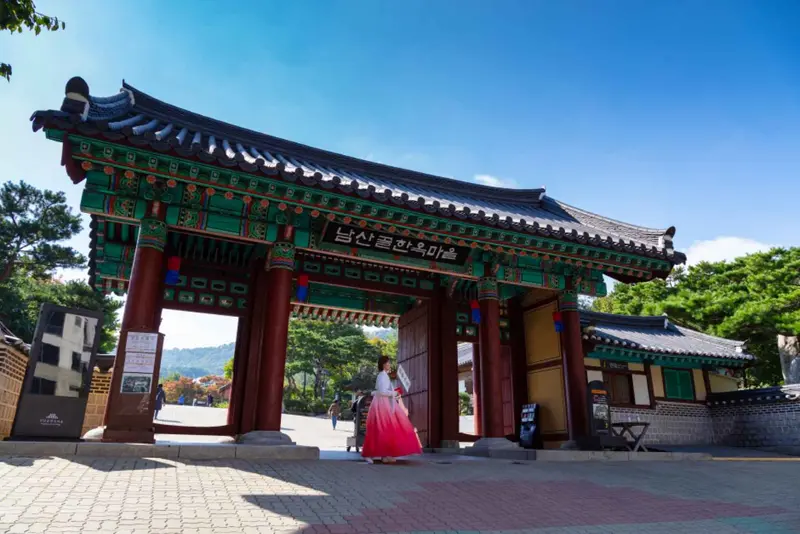
Namsangol Hanok VillageView on MapTop 5남산골한옥마을
FreeCreated in 1998 on the former Capital Defense Command site north of Namsan, with five restored hanok houses, a traditional crafts hall and a traditional garden. You can try traditional culture right in the city center and stroll a garden of streams and pavilions. Admission is free (Korea Tourism Organization).
Learn more →Gwangjang MarketView on MapTop 8광장시장
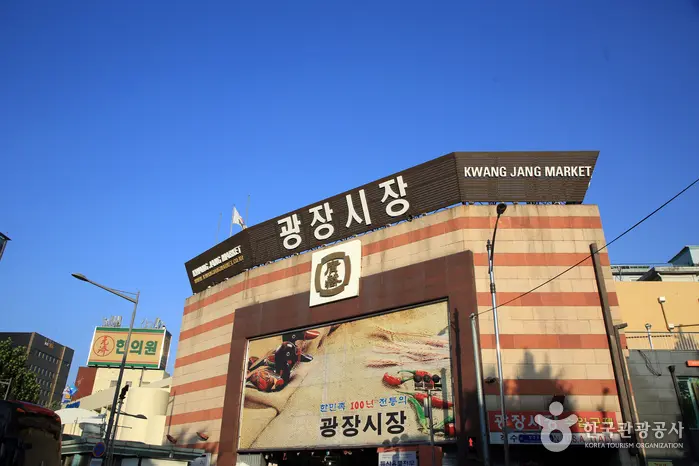
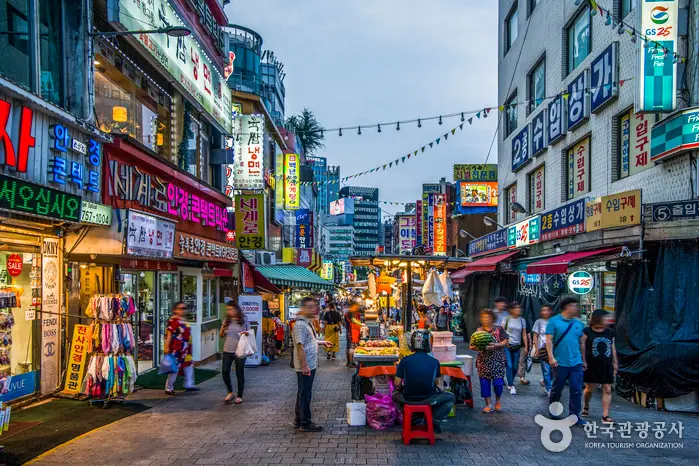
FreeOpened in 1905, it is known as Korea's first permanent market. In the food alley at its center you can try bindaetteok — mung bean pancakes made from stone-ground beans — and bite-size mayak gimbap dipped in mustard sauce. Beef tartare and sundae stalls are clustered here too.
Soaked mung beans ground fine, mixed with bean sprouts, bracken and pork, then pan-fried thick in oil.
How to eat Dip in soy sauce with onions; often paired with makgeolli.
Finger-thin gimbap rolled with pickled radish, carrot and spinach; the name jokes that it's addictive once you try it.
How to eat Dip in mustard-soy sauce and eat in one bite.
Jinokhwa Halmae Wonjo DakhanmariView on Map진옥화할매원조닭한마리
₩33,000 (US$23.7)The original shop of Dongdaemun's dakhanmari alley, open since 1978. There is one menu: a whole 35-day-old chicken simmered in a pot. Eat the chicken first with the dipping sauce, then add noodles or rice cakes to the remaining broth (Korea Tourism Organization).
A whole chicken simmered in a wide pot at the table with potatoes, rice cakes and green onion.
Name The name literally means "one whole chicken."
How to eat Mix your own dipping sauce from soy sauce, vinegar, mustard and chili paste; many diners add knife-cut noodles at the end.
Dongdaemun Design PlazaView on Map동대문디자인플라자(DDP)
FreeA cultural complex in Dongdaemun opened in 2014, hosting exhibitions, fashion shows and product launches. Its flowing, curved exterior and night lighting make it a great evening walk. You can also see Dongdaemun History & Culture Park and the design market (Korea Tourism Organization).
Learn more →ibis Ambassador Seoul InsadongView on Map이비스 앰배서더 서울 인사동
₩125,000 (US$89.8)6 min walk to Seoul Unhyeongung · About ₩130k per night (standard level · check the real price on Agoda)
Book on AgodaBook on Booking.com →ibis Ambassador Seoul InsadongView on Map이비스 앰배서더 서울 인사동
🍲 Breakfast pick: Cheongjin-ok · 18 min on foot · about 40 min to eat (skip if your hotel serves breakfast)
A haejang-guk house run by the same family for three generations since 1937 in the Pimatgol alleys, and counted as the original of the dish. Its signature yang-seonji haejang-guk simmers blood pudding, tripe, dried greens and bean sprouts in long-cooked bone broth; it was named a Seoul Future Heritage in 2013 (Korea Tourism Organization).
A soup of beef or pork bone broth with dried cabbage leaves, bean sprouts and often congealed ox blood, popular the morning after drinking.
Name The name is said to come from haejeong, a Sino-Korean word meaning to relieve a hangover.
Heads-up It often contains congealed blood (seonji), which not everyone enjoys.
How to eat Rice is usually added to the soup; some places will leave out the blood if you ask.
Gyeongbokgung PalaceView on MapTop 13경복궁
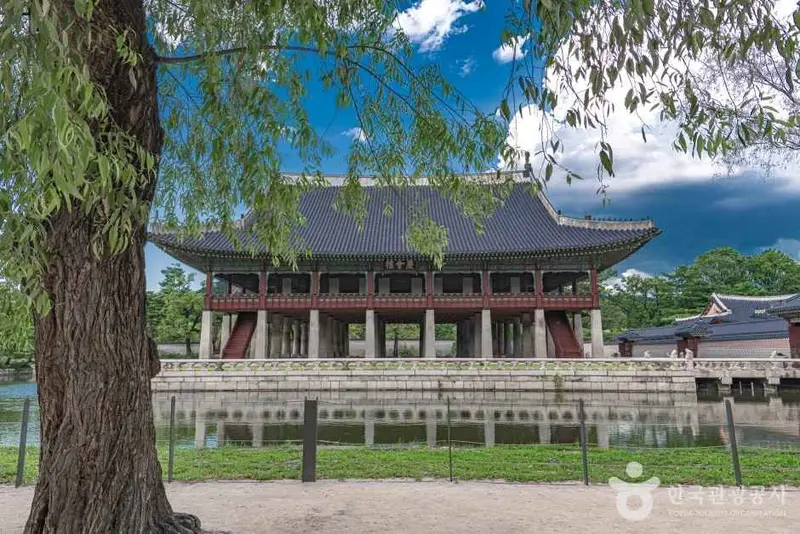
₩6,000 (US$4.3)The main royal palace of the Joseon Dynasty, built by King Taejo in 1395; its name wishes the new dynasty great fortune. Hangeul was created here under King Sejong, and the palace was rebuilt under King Gojong after burning in the Japanese invasion. Admission is free if you wear hanbok, and the gatekeeper ceremony at Gwanghwamun is worth seeing (Korea Tourism Organization).
Learn more →SEOUL Tours & Tickets →Bukchon Hanok VillageView on MapTop 17북촌한옥마을
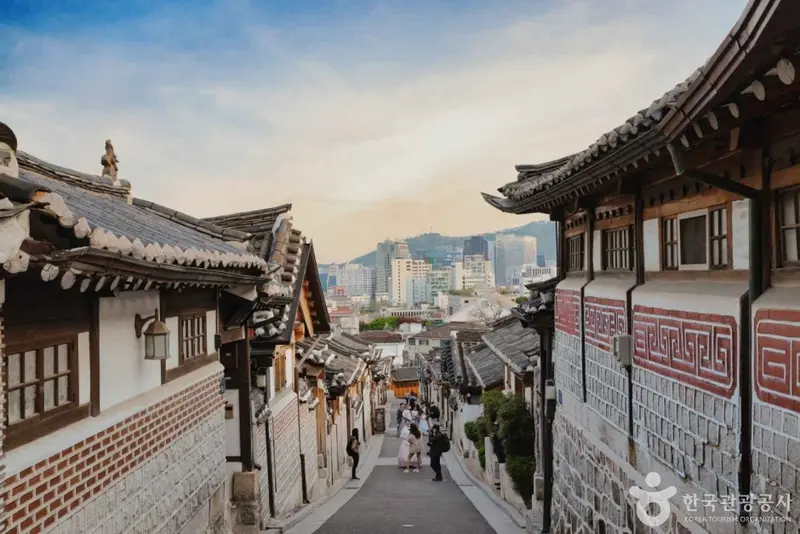
FreeSeoul's signature traditional residential area, with hanok houses clustered between Gyeongbokgung, Changdeokgung and Jongmyo — called 'a street museum in the city'. Once home to Joseon aristocrats, its alleys in Gahoe-dong and Samcheong-dong are lined with hanok. People live here, so please keep quiet as you explore (Korea Tourism Organization).
Learn more →Samchungdong SujebiView on Map삼청동수제비
₩24,000 (US$17.2)A sujebi (hand-torn noodle soup) restaurant next to the Samcheong-dong community center since 1982. The signatures are sujebi with zucchini, clams and potato served in a clay pot, and a potato pancake made from grated potato only; close to Bukchon and Gyeongbokgung, it always has a line (Korea Tourism Organization).
Thin pieces of wheat dough torn by hand and simmered with potato and zucchini in anchovy or seafood broth.
How to eat Often eaten with kimchi or fresh geotjeori kimchi.
InsadongView on Map인사동
FreeA neighborhood where alleys branch like a maze off the main street, packed with galleries, traditional craft and antique shops, teahouses and traditional restaurants. Some 100 galleries show everything from Korean painting to prints and sculpture. A good place for souvenirs and traditional tea (Korea Tourism Organization).
Learn more →Ikseon-dong Hanok StreetView on Map익선동 한옥거리
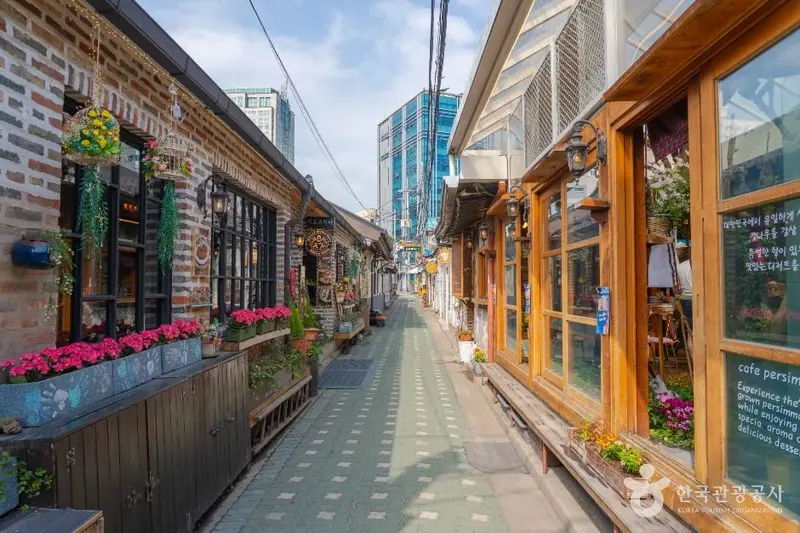
FreeA neighborhood of small hanok houses and narrow, dense alleys; after being designated a hanok preservation district in 2018 it became a hotspot with the retro boom. Cafés, restaurants and shops in renovated hanok make it fun to wander, and it's an easy walk after lunch at Woo Lae Oak (Korea Tourism Organization).
Learn more →CheonggyecheonView on Map청계천
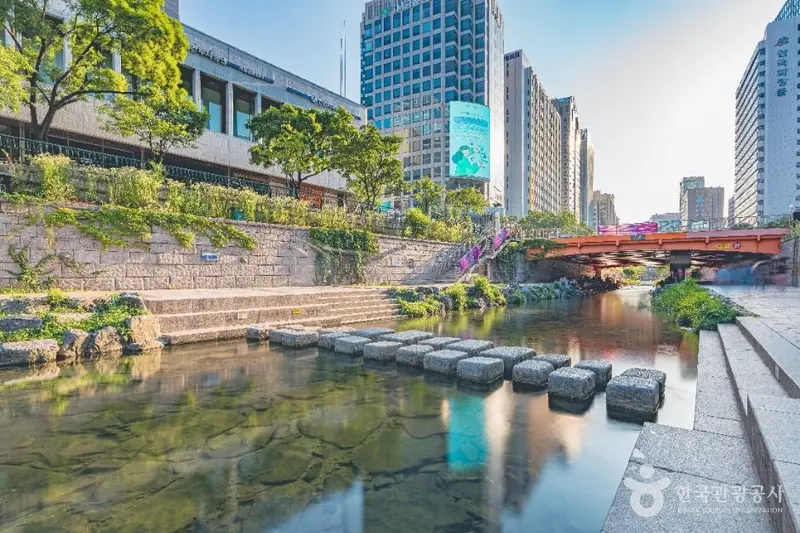
FreeA stream between Jongno-gu and Jung-gu; from 2003 to 2005 the road covering it was removed and 5.84 km was restored as a public rest area. It has 22 bridges, and Cheonggye Plaza often hosts cultural events. Following the water leads you naturally to Gwangjang Market (Korea Tourism Organization).
Learn more →WooraeokView on Map우래옥
₩30,000 (US$21.6)An old-school restaurant serving Pyongyang-style naengmyeon in Euljiro 4-ga since 1946. Buckwheat noodles in a clear beef broth give a clean, subtle flavor; it has been listed in the Michelin Guide Seoul several times, including 2017, 2020 and 2023 (Korea Tourism Organization).
Chewy buckwheat or starch noodles served in icy broth (mul-naengmyeon) or tossed in a spicy sauce (bibim-naengmyeon).
How to eat Add vinegar and mustard to taste; you can ask staff to cut the chewy noodles with scissors.
Reference price naengmyeon · national average (Korea Consumer Agency) ₩10,845 (2026-08)
Euljiro Nogari AlleyView on Map을지로 노가리골목
FreeThis alley grew up after Eulji OB Bear began selling draft beer and dried pollock in 1980, and it became where printing-district workers gathered after work. At dusk plastic tables fill the lane; grilled nogari is dipped in gochujang sauce and washed down with draft beer.
Young pollock, dried and lightly grilled over briquettes or flame as a drinking snack.
How to eat Dip in gochujang-mayo or soy sauce and enjoy with draft beer.
ibis Ambassador Seoul InsadongView on Map이비스 앰배서더 서울 인사동
₩125,000 (US$89.8)Book on AgodaBook on Booking.com →ibis Ambassador Seoul InsadongView on Map이비스 앰배서더 서울 인사동
Mangwon Hangang ParkView on MapTop 6망원한강공원
FreeA Han River park between Wonhyo and Seongsan bridges, with lawns, walking paths and bike lanes. Water sports such as windsurfing and water skiing are available on the river. Grab snacks at Mangwon Market and relax by the water (Korea Tourism Organization).
Learn more →SEOUL Tours & Tickets →Mangwon MarketView on MapTop 3망원시장
FreeA traditional market in the Mangwon-dong residential area with many stalls selling affordable eats such as croquettes, dakgangjeong and kalguksu. It's close to the Han River park, so many people grab snacks here and head to the riverside.
Learn more →Gaksi BossamView on Map각시보쌈
₩24,000 (US$17.2)A bossam and jokbal specialist near Hapjeong Station. Besides the signature Gaksi set, there are many bossam options — kimchi bossam, cabbage-wrap bossam, oyster bossam and skate samhap — and the sweet-and-sour jaengban-guksu noodles go well on the side. It's a walk from Mangwon Han River Park (Korea Tourism Organization).
Boiled pork sliced thin and wrapped in salted napa cabbage with spicy radish kimchi.
Name The name is generally explained as coming from wrapping (ssam) the boiled meat in leaves.
How to eat Place pork, radish kimchi and a little salted shrimp on a cabbage leaf and wrap it up.
Sindang-dong Tteokbokki TownView on Map신당동 떡볶이타운
FreeA street where instant tteokbokki shops have gathered since the late 1970s, designated a Seoul Future Heritage. It was once famous for shops with DJ booths playing song requests. Rice cakes, fish cakes and ramen noodles are cooked in a pot at the table, finished with fried rice at the end.
Rice cakes, fish cakes, vegetables and ramen noodles cooked in a spicy red pepper sauce in a pan at your table.
How to eat Choose extra toppings such as noodles or eggs, and many people fry rice in the leftover sauce.
Heunginjimun Gate (Dongdaemun)View on Map흥인지문
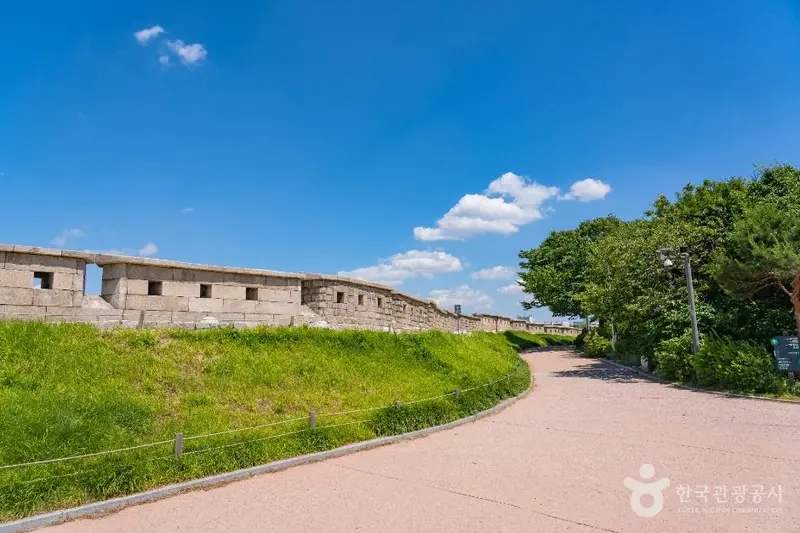
FreeThe great east gate of the Seoul city wall, commonly called Dongdaemun. First built in 1396 and rebuilt in its current form in 1869, it is known for the half-moon outer wall (ongseong) around it. It's a short walk down from the Naksan wall trail (Korea Tourism Organization).
Learn more →Naksan ParkView on Map낙산공원
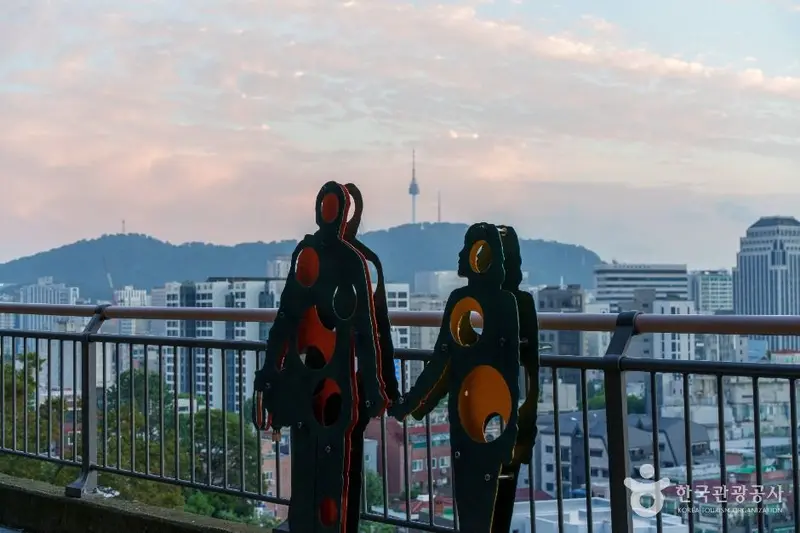
FreeA park linked to Daehak-ro and Dongdaemun; the hill resembles a camel's back and was once called 'Camel Mountain'. Opened as a park in 2002, it lets you walk along the Seoul City Wall and look down over downtown. The Naksan Exhibition Hall at the entrance covers the wall's history (Korea Tourism Organization).
Learn more →Ihwa Mural VillageView on Map이화벽화마을
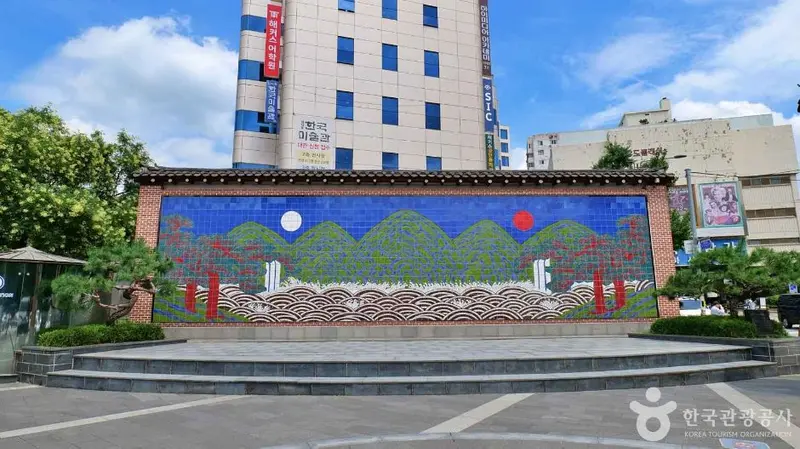
FreeA village below Naksan Park, between Hyehwa and Dongdaemun stations, whose murals were painted in 2006 by some 70 artists in the Naksan Project. Its old alleys woven with residents' daily life are listed among Seoul Future Heritage. People live here, so please visit quietly (Korea Tourism Organization).
Learn more →Sundae Silrok Daehakro BonjjeomView on Map순대실록 대학로본점
₩22,000 (US$15.8)A sundae (Korean blood sausage) restaurant in Dongsung-dong, Daehangno. Sundae is pork casing stuffed with glass noodles, vegetables and blood and then steamed; it is often eaten with sundae-guk, a soup of sundae and pork. An easy walk down from Ihwa Mural Village for dinner.
Pig intestines stuffed with glass noodles, glutinous rice and blood, then steamed; often served with sliced liver and lung.
Heads-up It contains blood and offal, so it divides opinion.
How to eat Dipped in salt, chili vinegar sauce or soybean paste depending on the region.
ibis Ambassador Seoul InsadongView on Map이비스 앰배서더 서울 인사동
₩125,000 (US$89.8)Book on AgodaBook on Booking.com →ibis Ambassador Seoul InsadongView on Map이비스 앰배서더 서울 인사동
Namdaemun MarketView on MapTop 2남대문시장
FreeSeoul's signature market next to Sungnyemun Gate, with some 10,000 shops and a reported 300,000 visitors a day. It sells around 1,700 kinds of goods — clothing, accessories, kitchenware, food — hence the saying that it has everything. Its braised-hairtail alley and hotteok stalls are famous too (Korea Tourism Organization).
Learn more →SEOUL Tours & Tickets →Namdaemun Cutlassfish Braised AlleyView on Map남대문 갈치조림골목
₩35,000 (US$25.1)An alley inside Namdaemun Market that formed around 1988 when Huirak Sikdang and Wangseong Sikdang opened. Hairtail braised with radish in a spicy sauce arrives in its aluminum pot, and many shops add steamed egg or grilled fish on the side.
Pieces of cutlassfish (hairtail) braised with radish and potato in a spicy soy-chili sauce.
How to eat Watch for small bones; the sauce is often mixed into rice.
Seoul StationView on Map서울역
Seoul Station → Incheon AirportAirport Railroad (AREX)
Route on Google Maps →Book airport transfer →i
| Tier | Per person, per meal | Basis |
|---|---|---|
| Budget | ₩9,000 | Avg. of 4 everyday meals ₩8,920 |
| Standard | ₩12,000 | Avg. of all 7 ₩11,610 |
| Generous | ₩18,000 | Avg. of 2 special dishes ₩17,373 |
| Dish | National avg. |
|---|---|
| Jajangmyeon | ₩7,230 |
| Kalguksu | ₩9,057 |
| Kimchi stew set meal | ₩9,080 |
| Bibimbap | ₩10,314 |
| Naengmyeon | ₩10,845 |
| Samgyetang | ₩16,868 |
| Pork belly 200g | ₩17,877 |
Related Photos
Related videos
 ▶26min
 ▶8min
▶8min
 ▶3min
▶3min
 ▶11min
 ▶24min
 ▶1min
▶1min
Comments
Leaving a comment or a like counts as agreeing to the community posting terms. Read the posting terms