




About this course
Jeonju is a UNESCO City of Gastronomy, known for bibimbap, kongnamul-gukbap and its makgeolli-with-side-dishes culture.
This 4-day food tour starts with the airport limousine from Incheon Airport and walks you through the Hanok Village, Nambu Market and Samcheon-dong's Makgeolli Alley, tasting a signature Jeonju dish at every meal.
Day 1: after arriving by limousine, have Jeonju bibimbap for lunch, visit Gyeonggijeon, Jeondong Cathedral and the Traditional Liquor Museum, snack your way through the Hanok Village, look out from Omokdae, then tteok-galbi for dinner and the night view from Cheongyeonru.
Day 2: start with kongnamul-gukbap and moju for breakfast, walk the Hyanggyo, Hanbyeokdang and Jaman Mural Village, have kalguksu for lunch, then Gyodong Art Museum, Nambu Market and pi-sundae for dinner.
Day 3: stroll the Hanok Village in hanbok in the morning, have a Jeonju hanjeongsik lunch nearby at Hanul Bapsang, walk to Jeolla Gamyeong, Jeonju Gaeksa (Pungpaejigwan) and Gaeksa-gil in the afternoon, then take a taxi to the Samcheon-dong makgeolli alley for a kettle of makgeolli and a table full of side dishes, and a taxi back to the hotel.
Day 4: buy choco pies at PNB Poongnyun Bakery, have bibimbap at another long-running restaurant, then take the limousine back to Incheon Airport.
View on Map
Hour-by-Hour Itinerary
Create your free personalized Korea travel itinerary with TripGogoIncheon Airport → Jeonju Limousine Terminalairport limousine
Route on Google Maps →Flights on Trip.com →Compare on Skyscanner →Jeonju Airport Limousine TerminalView on Map전주리무진터미널
Han Kook JibView on Map한국집
₩29,000 (US$20.8)A Jeonju bibimbap specialist opened in 1952 and now run by the third generation. Set in a converted hanok with a lovely courtyard and close to the Hanok Village and Gyeonggijeon, it's a good first meal. Try Jeonju bibimbap — rice cooked in beef bone broth topped with bean sprouts, yellow mung bean jelly and many other vegetables. (Korea Tourism Organization)
Jeonju's bibimbap: rice cooked in beef bone broth, topped with bean sprouts, yellow mung bean jelly, beef tartare or sautéed beef, egg yolk and many seasoned vegetables, mixed with gochujang.
How to eat Often served in a brass bowl or stone pot, sometimes with bean sprout soup on the side.
Reference price bibimbap · national average (Korea Consumer Agency) ₩10,314 (2026-08)
Gyeonggijeon ShrineView on MapTop 6경기전
₩6,000 (US$4.3)The shrine that holds the royal portrait of King Taejo, founder of the Joseon Dynasty. It was first built in 1410, named Gyeonggijeon under King Sejong, rebuilt in 1614 after burning down in the Japanese invasion, and designated a Historic Site in 1991. Jogyeongmyo, north of the main hall, was built in 1771 for the ancestral tablets of the Jeonju Yi clan's founder. Its bamboo grove and stone-wall paths are popular drama locations — great to visit in hanbok together with Jeondong Cathedral. (Korea Tourism Organization)
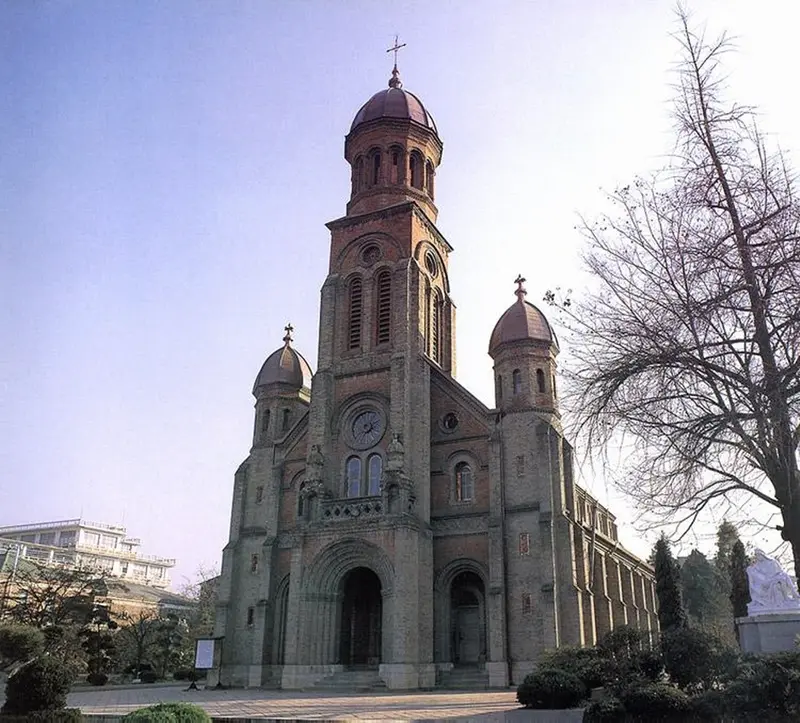
Learn more →Korea Tours & Tickets →Jeonju Jeondong CathedralView on Map전주전동성당
FreeA cathedral built on the martyrdom site outside Pungnammun Gate, where Joseon-era Catholics were executed; it is a designated Historic Site. French priest Baudenet began construction in 1908 and it was completed in 1914, designed by Father Poinsnel, who also designed Seoul's Myeongdong Cathedral. Built of grey and red brick in a mix of Byzantine and Romanesque styles, it was the first Romanesque building in the Honam region. It stands right across from Gyeonggijeon. (Korea Tourism Organization)
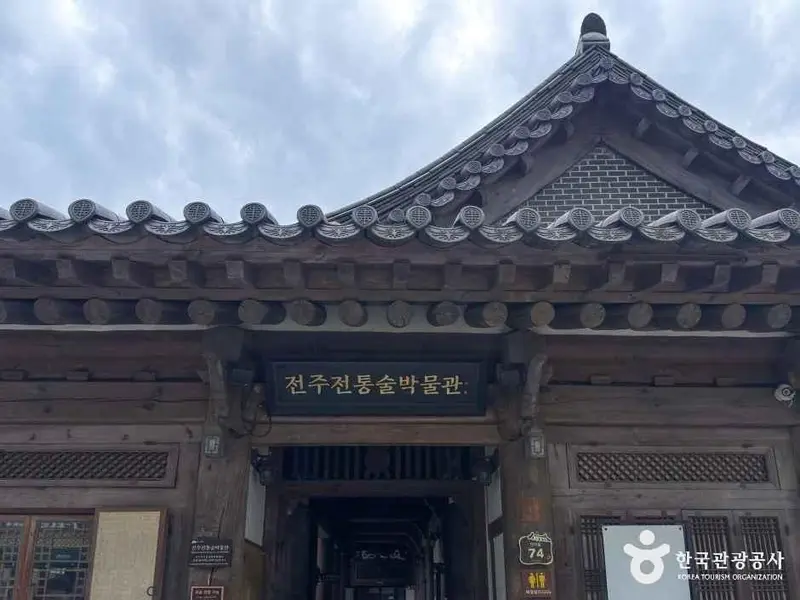
Learn more →Jeonju Traditional Liquor MuseumView on Map전주 전통술박물관
FreeA public museum in the Hanok Village devoted to Korean traditional liquor. You can see home-brewed gayangju, nuruk starter and the brewing process, and it runs classes and hands-on programs. To support local breweries it sells Jeonju traditional liquor on site — a good stop before tasting makgeolli and moju in the evening. (Korea Tourism Organization)
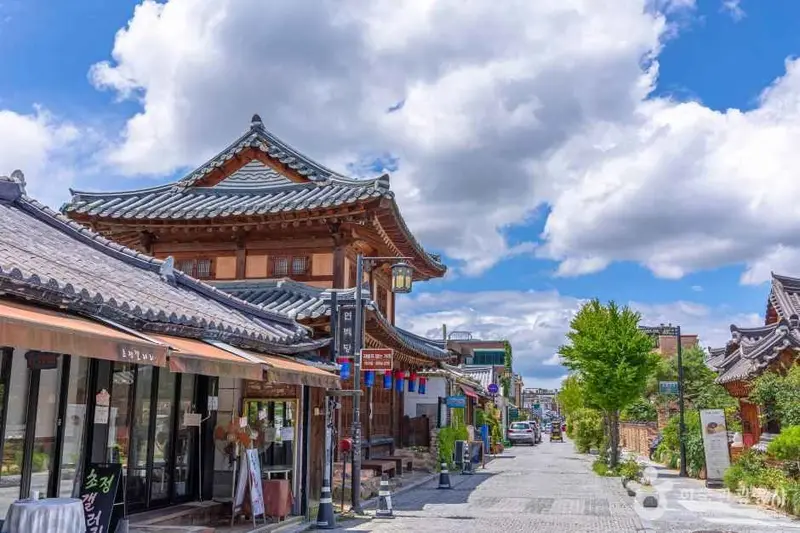
Learn more →Jeonju Hanok VillageView on MapTop 1전북 전주 한옥마을
FreeAbout 700 hanok houses gathered around Pungnam-dong make this Korea's largest traditional hanok village and its only one in the middle of a city. It began to take shape in the 1910s, and cultural sites such as Gyeonggijeon, Omokdae and the Hyanggyo sit among some 20 cultural facilities. Taejo-ro and Eunhaeng-ro are lined with street-food shops, perfect for snacking as you walk. At night, lanterns along Taejo-ro and lit stone walls make for a lovely night view. (Korea Tourism Organization)
Learn more →Omokdae and Imokdae Historic SitesView on Map오목대
FreeA cliff-like hill north of Hanbyeokdang and Jeonju Hyanggyo. In 1380, Yi Seong-gye — later King Taejo — is said to have stopped here to celebrate after defeating Japanese pirates at Hwangsan in Unbong, as his ancestor Mokjo had lived in this place. A monument inscribed in Emperor Gojong's own hand was later erected. The rooftops of the Hanok Village spread out below. (Korea Tourism Organization)
Learn more →Gyodong Tteok-galbiView on Map교동떡갈비
₩39,000 (US$28.0)A two-story hanok restaurant on Eunhaeng-ro in the Hanok Village, known mainly for tteok-galbi. The menu also has Jeonju bibimbap, yukhoe bibimbap and cockle bibimbap, plus a lunch special of tteok-galbi with cold noodles. Being inside the Hanok Village, it's an easy walk to Cheongyeonru after dinner.
Beef or pork rib meat finely minced, seasoned, shaped into flat patties and grilled.
Name One explanation is that the name comes from pounding the minced rib meat the way rice cakes (tteok) are pounded.
How to eat Often eaten wrapped in lettuce or other leaves, or as a side with rice.
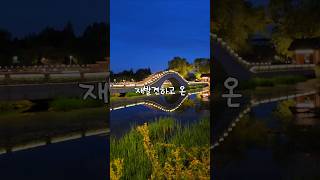
Namcheon Bridge CheongyeonruView on MapTop 10남천교 청연루
FreeA pavilion with a hipped-and-gabled roof built on Namcheon Bridge, which links the Hanok Village (Gyo-dong) with Seohak-dong. The 82.5 m arched bridge recalls the old stone rainbow bridge that stood here. The name Cheongyeonru pairs it with Hanbyeokdang, part of "Hanbyeok Cheongyeon", one of the Eight Views of Jeonju. After dark, when the lights come on, it's a pleasant spot to rest in the breeze over Jeonjucheon Stream. (Korea Tourism Organization)
Learn more →Lahan Hotel JeonjuView on Map라한호텔 전주
₩99,000 (US$71.1)3 min walk to Jeonju Hanok Village · About ₩100k per night (standard level · check the real price on Agoda)
Book on AgodaBook on Booking.com →Lahan Hotel JeonjuView on Map라한호텔 전주
🍲 Breakfast pick: Jeonju Waengi Kongnamul-gukbap Jeomun-jeom · 8 min on foot · about 50 min to eat (skip if your hotel serves breakfast)
A kongnamul-gukbap specialist on Dongmun-gil, about a 10-minute walk from the Hanok Village, certified as a "100-year store" (baengnyeon gage). It serves just one dish — Jeonju-style bean sprout rice soup — so food comes fast, and many add squid. People often have a glass of moju, simmered with ginger and jujubes, alongside; it is known to open at 7 a.m. daily.
Rice in a clear, light broth simmered with soybean sprouts — a signature dish of Jeonju.
How to eat Jeonju Nambu Market style serves a soft-poached egg separately; add a few spoonfuls of broth and crumbled seaweed to it.
Makgeolli simmered with ginger, jujubes, cinnamon and more; much of the alcohol cooks off, so it's fairly low in alcohol.
How to eat In Jeonju it's often served as a glass alongside kongnamul-gukbap.
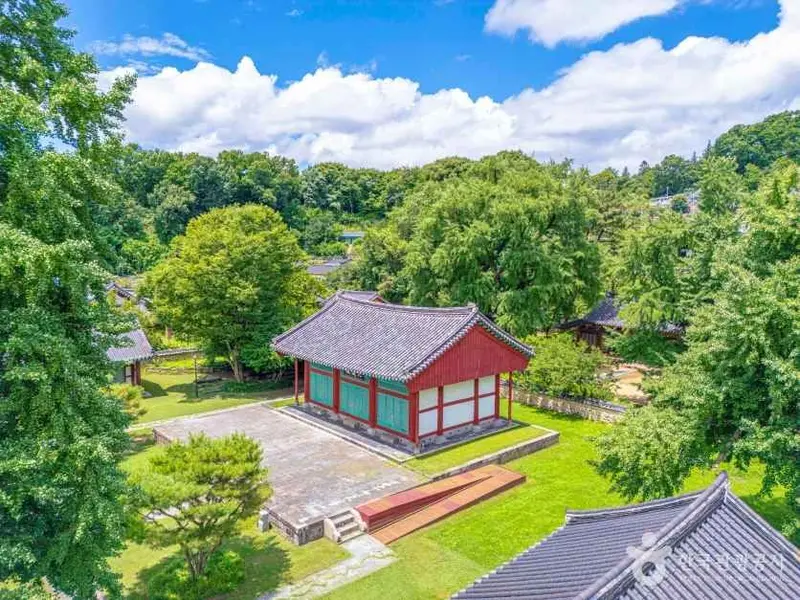
Jeonjuhyanggyo Local Confucian SchoolView on MapTop 17전주향교
FreeA hyanggyo, the state-run local Confucian school of the Goryeo and Joseon eras, with Daeseongjeon (the shrine hall for Confucian scholars) and Myeongnyundang (the lecture hall). Daeseongjeon was rebuilt in 1653. Ginkgo trees, including one over 400 years old in front of the shrine, make autumn its most beautiful season. It is also known as a filming location for dramas such as "Sungkyunkwan Scandal" and "Love in the Moonlight". (Korea Tourism Organization)
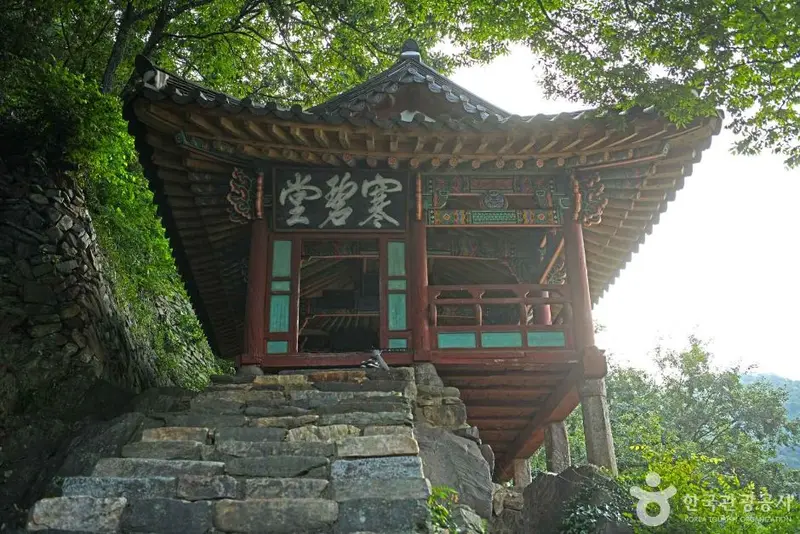
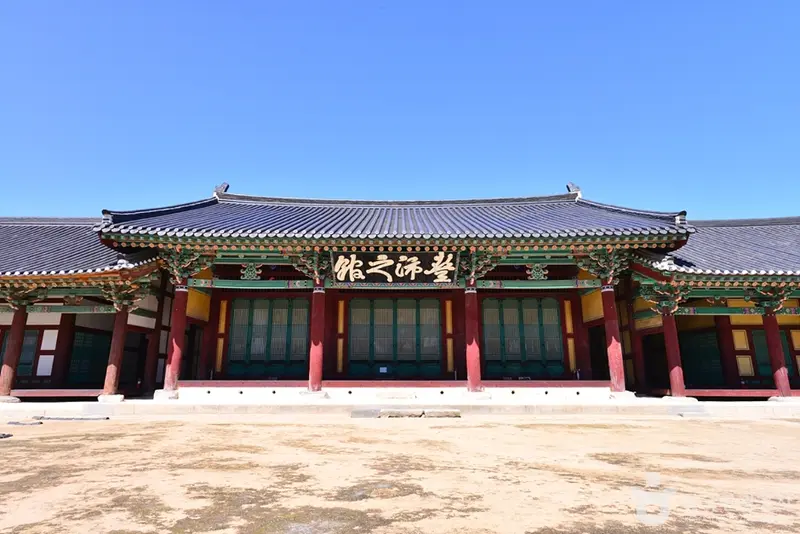
Learn more →Korea Tours & Tickets →Hanbyeok HallView on Map한벽당
FreeA pavilion built in 1404 as a villa by Choe Dam, a founding merit subject of the Joseon Dynasty; as "Hanbyeok Cheongyeon" it was counted among the Eight Views of Jeonju. The name "Hanbyeok" is said to come from the clear water breaking on the rocks like green jade. It is a 3-by-2-bay pavilion with a wooden floor, overlooking Jeonjucheon Stream and Namgosan Mountain. (Korea Tourism Organization)
Learn more →Jaman Mural VillageView on MapTop 12자만벽화마을
FreeA small hillside neighborhood across from Omokdae that grew out of a settlement of refugees from the Korean War. Residents, the local community center and local artists cleaned up the alleys and painted murals together, and the lanes with classic cartoon characters are especially popular. Small cafés and guesthouses hide among the alleys; it's sloped, so wear comfortable shoes.
Learn more →Veteran KalguksuView on Map베테랑 칼국수
₩22,000 (US$15.8)A Hanok Village kalguksu shop that has been loved for over 40 years since opening in 1977. Its thick broth, long-simmered with perilla seeds, meat and egg, is the signature, served with thin, chewy noodles. It comes topped with perilla powder, chili flakes and seaweed, and the soybean noodle soup and dumplings are popular too. (Korea Tourism Organization)
Hand-rolled wheat noodles cut with a knife and cooked in a broth of anchovy, seafood or chicken.
Name The name means "knife noodles," because the dough is cut into strips with a knife.
How to eat Often eaten with kimchi or freshly dressed geotjeori kimchi.
Reference price kalguksu · national average (Korea Consumer Agency) ₩9,057 (2026-08)
JeonmangView on Map전망
A rooftop café overlooking the Hanok Village. From above you see rows of tiled hanok roofs, making it a nice place to rest and take photos mid-walk. You can look back over the Hyanggyo and Jaman Mural Village area you walked in the morning.
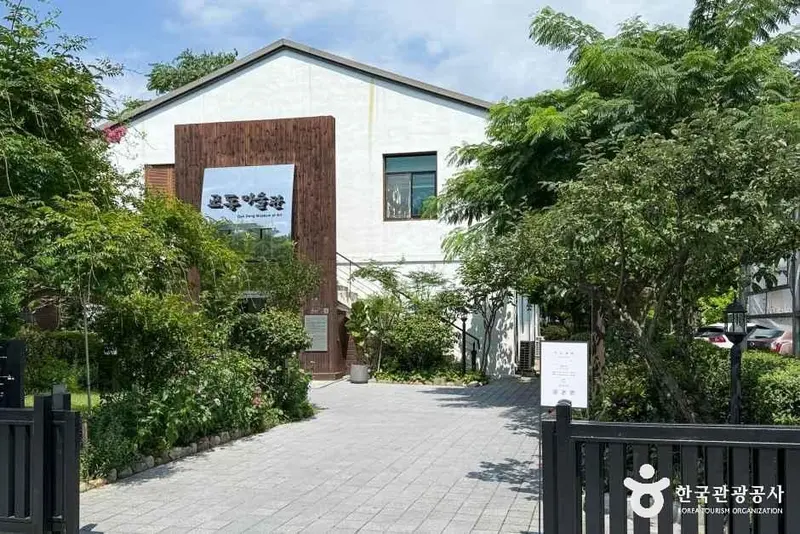
Gyodong Art MuseumView on Map교동미술관
FreeAn art museum in the Hanok Village, converted from a building that was a factory from the 1950s to the 1980s. The roof and ceiling keep their old factory look, and sewing machines from that time are on display. Choi Myeong-hui Literary Museum sits between its two galleries, and the ground-floor art shop sells goods made from hanji paper thread. A nice stop to walk off lunch. (Korea Tourism Organization)
Learn more →Jeonju Nambu MarketView on MapTop 3전주 남부시장
FreeJeonju's largest traditional market, descended from the market that stood outside the old Jeonju fortress in the Joseon era. It is just across the street from the Hanok Village, a 3-minute walk from Pungnammun Gate. Kongnamul-gukbap, sundae-gukbap and pi-sundae shops cluster here, so you can taste Jeonju's signature food in one place. There's a youth mall on the 2nd floor, and a night market is known to open on weekend evenings — check the dates in advance. (Jeonju City tourism)
Learn more →Jojeongrye Namun Pi SundaeView on Map조점례남문피순대
₩22,000 (US$15.8)A sundae restaurant inside Nambu Market serving pi-sundae, sundae-gukbap, japchae sundae and assorted boiled meat. Its signature pi-sundae uses seonji (blood), tofu, meat, egg, vegetables and minced tripe instead of glass noodles, giving a savory, chewy bite. The clear-broth sundae-gukbap, generous with sundae and tripe, is also popular; expect a wait at peak times. (Korea Tourism Organization)
A Jeolla-style Korean sausage packed with plenty of seonji (blood), giving it a dark red filling.
Heads-up The strong blood flavor divides opinion.
How to eat Many places serve it with chogochujang or makjang for dipping; it's also good in sundae-gukbap soup.
Rice in pork bone broth with Korean blood sausage (sundae), pork offal and head meat.
Heads-up Because it contains offal, opinions are divided; some places will serve it with sausage only if you ask.
How to eat Season with perilla seed powder, salted shrimp and chili paste.
Lahan Hotel JeonjuView on Map라한호텔 전주
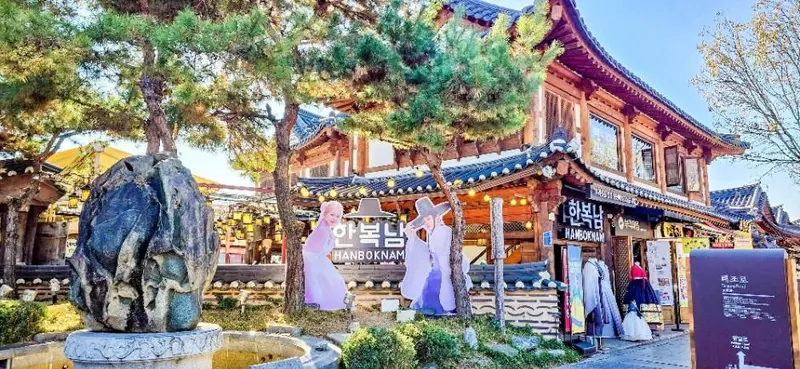
Hanboknám Jeonju Hanok Village BranchView on Map한복남 전주한옥마을점
FreeA hanbok rental shop in the Hanok Village that grew out of the "Jeonju Hanbok Day" festival and started Korea's first hourly hanbok rental. You can choose anything from traditional hanbok to 1920s–30s Gyeongseong-era outfits; pick a skirt and staff will suggest a matching jacket, with hair styling and accessories included. It's known for the photo spots in its large courtyard, and booking online in advance is recommended. Some sites such as Gyeonggijeon may waive admission for visitors in hanbok — check in advance. (Korea Tourism Organization)
Learn more →Korea Tours & Tickets →Cafe IlliView on Map카페이르리
A spacious hanok café in the heart of the Hanok Village with a crape myrtle tree in the middle of its courtyard, said to be especially beautiful when it blooms in summer. It's large enough to relax in after returning your hanbok, before heading to Makgeolli Alley.
Hanul BapsangView on Map한울밥상
₩80,000 (US$57.5)A hanjeongsik restaurant near the Hanok Village serving a Jeonju-style spread with 16 side dishes. Besides the signature Teuk Hanul set there are hand-minced tteokgalbi, deodeok spicy pork and home-style baekban sets; the side dishes are mild and neat, and locals come often too (Korea Tourism Organization).
A full Korean meal built around rice and soup, with many dishes such as pancakes, braised and grilled dishes, seasoned vegetables and salted seafood laid out on one table.
How to eat Many places take orders per person by set, and some bring the dishes out in courses.
Yetchon Makgeolli Samcheon-jeomView on Map옛촌막걸리 삼천점
₩79,000 (US$56.8)A makgeolli house in Samcheon-dong's Makgeolli Alley (a Jeonju Future Heritage site), where makgeolli bars began gathering in the 1990s. About 20 bars line a 200 m alley; order makgeolli by the kettle and more than ten side dishes arrive — from pancakes, stews and namul to meat and seafood. Each extra kettle brings new dishes, which is the fun of Jeonju makgeolli houses, and it gets more lavish the bigger your group. (Jeonju City tourism)
A cloudy traditional alcoholic drink of rice or wheat fermented with nuruk (a fermentation starter) and then strained. Slightly fizzy, sweet and tangy.
Name The name is said to mean liquor that is "roughly" or "just" strained (mak + geolleun).
How to eat Gently mix before pouring; it is often paired with savory pancakes (jeon).
Lahan Hotel JeonjuView on Map라한호텔 전주
PNB Poongnyon Bakery Main BranchView on MapPNB 풍년제과 본점
A bakery that opened as "Pungnyeon Jegwa" in Jungang-dong, Jeonju, in 1951 and created its original choco pie in 1978. It moved to its current Gyeongwon-dong location that same year and was renamed PNB Pungnyeon Jegwa for its 50th anniversary in 2001. Its choco pies are so popular that over 10,000 sell a day — a good souvenir on your last day.
Soft cakes sandwiched with cream and jam and coated in chocolate — a popular Jeonju souvenir.
How to eat Many say it's even better chilled, when the chocolate firms up.
Sungmi-dangView on Map성미당
₩29,000 (US$20.8)A bibimbap specialist selected as a "Millennium Heritage Restaurant" of Jeollabuk-do, run by three generations for over 50 years. Its taste is clean and mild rather than salty or spicy, with about ten toppings including yellow mung bean jelly and an egg yolk, served in a warm brass bowl. Jeonju bibimbap and yukhoe bibimbap are the mains — compare them with the bibimbap from day 1. (Korea Tourism Organization)
Jeonju's bibimbap: rice cooked in beef bone broth, topped with bean sprouts, yellow mung bean jelly, beef tartare or sautéed beef, egg yolk and many seasoned vegetables, mixed with gochujang.
How to eat Often served in a brass bowl or stone pot, sometimes with bean sprout soup on the side.
Reference price bibimbap · national average (Korea Consumer Agency) ₩10,314 (2026-08)
Jeonju Airport Limousine TerminalView on Map전주리무진터미널
i
| Tier | Per person, per meal | Basis |
|---|---|---|
| Budget | ₩9,000 | Avg. of 4 everyday meals ₩8,920 |
| Standard | ₩12,000 | Avg. of all 7 ₩11,610 |
| Generous | ₩18,000 | Avg. of 2 special dishes ₩17,373 |
| Dish | National avg. |
|---|---|
| Jajangmyeon | ₩7,230 |
| Kalguksu | ₩9,057 |
| Kimchi stew set meal | ₩9,080 |
| Bibimbap | ₩10,314 |
| Naengmyeon | ₩10,845 |
| Samgyetang | ₩16,868 |
| Pork belly 200g | ₩17,877 |
Related Photos
Related videos
 ▶1min
▶1min
 ▶14min
 ▶28min
 ▶1min
▶1min
Comments
Leaving a comment or a like counts as agreeing to the community posting terms. Read the posting terms